
Select Page
Oscars 2019: What we learned

Oscars 2019: What we learned

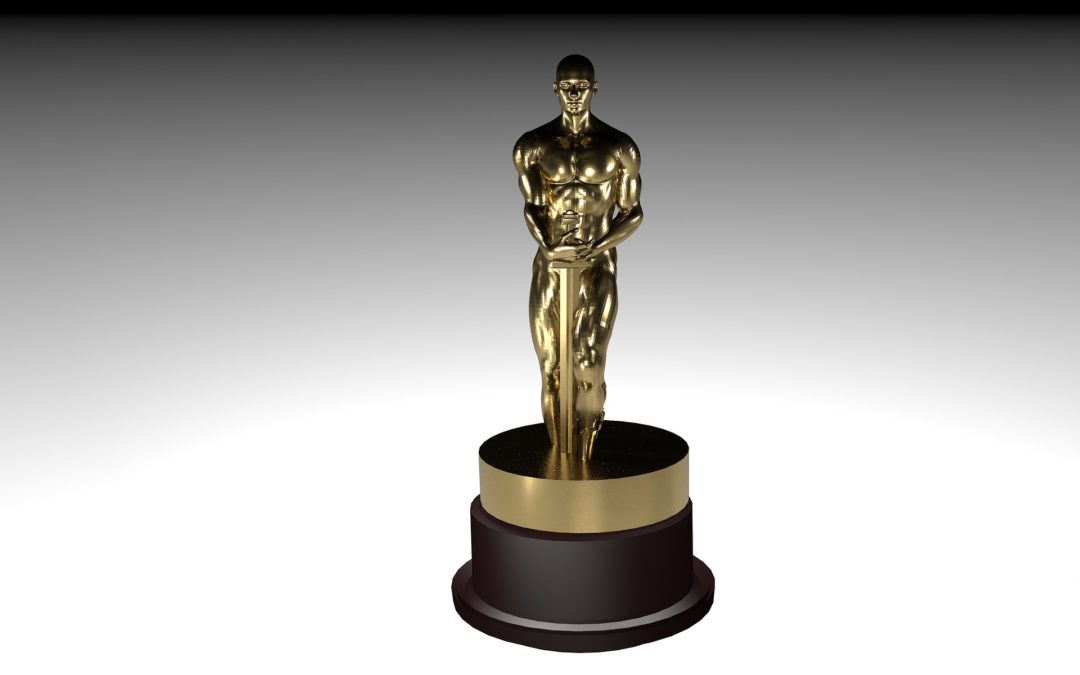
Whatever you think about the Oscars, there’s always something to be learned from them. Last night was no exception: there was the usual number of sure-fire wins mixed with a few shocks that leave us scratching our heads. Here’s our take on what happened at the Oscars 2019…

  • The big news of the night was the surprise win of GREEN BOOK for Best Picture. This may not have been the most competitive year for this category, but stacked up against films like BLACKKKLANSMAN and ROMA, it’s still not what we expected. Justin Chang of the Los Angeles Times even went so far as to call it “the worse best Picture winner since Crash“. Ouch. But the main thing to take from this? ROMA might have been the favorite on the night (rather than THE FAVOURITE… okay, it’s a bit confusing) but the Academy isn’t ready to give highest honors to a Netflix film just yet. The big studios continue to guard their territory.
  • Spike Lee finally has an Oscar, winning Best Adapted Screenplay for BLACKKKLANSMAN. When it comes to films about race, the Oscars have generally favored less hard-edged material than Lee makes, so at first glance, this looks like it could indicate a shift for film’s biggest awards ceremony. However, that’s all kind of cancelled out because…
  • The winner for Best Original Screenplay also went to GREEN BOOK, which has come in for a lot of criticism for perpetuating the “white savior” trope and couldn’t be more of an opposite to BLACKKKLANSMAN if it tried. Take a look at that article from Chang and you’ll see why it’s so confusing that the two screenplay awards went to these two films. On the one hand, a film that takes an intense, no-holds barred look at racism – on the other, a film that deals with it through a feel-good story. One thing is clear – Hollywood still hasn’t figured out how it wants to deal with this kind of subject matter.
  • Away from the main controversies, superhero stories are starting to gain some traction at awards ceremonies to go with their popular appeal, with BLACK PANTHER picking up three awards and SPIDER-MAN: INTO THE SPIDER-VERSE winning Best Animated Feature. This is where the real money is right now – and it looks like there’s even the possibility of picking up some nice shiny awards to go with it.
  • On a similar note, BOHEMIAN RHAPSODY took home four awards. Even though the only big one here was for Rami Malek’s performance as Freddie Mercury, it’s a surprise to see a film that got mixed reviews from critics fare so well at the Oscars. Is the Academy really becoming more democratized to reflect popular opinion? We’ll have to wait and see how next year unfolds…

From a screenwriting perspective, the main thing here is the confusion of seeing two totally contrasting films take home the awards for Best Original Screenplay and Best Adapted Screenplay. Here at WriteMovies, we’ll be keeping a close eye on this, with several of our past winners – such as BLACKOUT.COM by Ruben Bush III dealing with this kind of subject matter.

The Oscars 2019 may not have had the drama of the wrong winner being announced for Best Picture like a couple of years ago, but they’ve certainly given us a lot of food for thought…

Writing character driven stories – a look at Alfonso Cuarón’s ROMA

Writing character driven stories – a look at Alfonso Cuarón’s ROMA

Alfonso Cuarón’s latest film, ROMA, has been getting all kinds of acclaim, winning the Golden Lion at the Venice Film Festival and earning three Golden Globe nominations already. Guest author Cat Tebo takes a look at what we can learn from it about writing character driven stories…

Screenplay - not Roma

A lot of new writers fall into the trap of prioritizing plot above all else, losing the characters and, consequently, the “heart” of their story. Ideally, a script should be a marriage between plot and character. The best way to go about this is by developing characters whose objectives and agency are so strong that they inform the plot, rather than characters being used as mere devices for the storyteller to force into the mold of how they think their story is “supposed”to be.

Alfonso Cuarón’s recent film, ROMA, is a perfect example of how a character-driven film should function, with characters so compelling and nuanced that there isn’t room for heavy, convoluted plot-lines or unrealistic story details. Instead, the characters are the story.

A big part of what makes rich characterization so important to story is that the strength of a story lies in the strength of its characters. Characters give stories humanity and, in doing so, a heart. Furthermore, the desires and objectives that drive characters to act are the same ones that should drive the story forward. In ROMA, everything that happens is a result of characters exercising agency and taking action in order to get what they want: it’s one of the most basic fundamentals of storytelling. Plot movement is all about getting characters from point A to point B; if there is no character arc, there is no story.

Fleshing out your characters is often a challenging task. In creating ROMA, Alfonso Cuarón was drawing inspiration from his own childhood, and familiarity no doubt makes for a greater sense of character. Even when writers are creating characters completely from scratch, the influence of memories and experience still plays a part—there is no such thing as objective fiction, and even the most original-seeming thoughts are a consolidation of some kind of previous knowledge.

Still, there are some important character elements to consider when figuring out who your characters are. Ask yourself what their weaknesses are, what their strengths are, how they cope with obstacles, what they need versus what they want, who they appear to be versus who they really are—for every question you ask, you shouldn’t hesitate to ask the inverse of it as well. Doing this ensures that you’re considering your characters from every possible angle and are covering every aspect of them you can.

Concept is usually what sells your story in the beginning, but characters are what make it stick. Likewise,you might be able to grab an audience’s attention with an interesting premise, but you won’t be able to hold it without intriguing characters. 

Take a look at more writing insights from WriteMovies by clicking here!

Sign In

Register

Reset Password

Please enter your username or email address, you will receive a link to create a new password via email.